
Results
Teardown-based case studies
These are teardown-based case studies showing what I would fix and how I'd track impact. Live results will replace these as projects complete.
Plumbing teardown
1. Context
Local plumbing operator handling emergency leaks and planned boiler repairs. Most intent is mobile and time-sensitive.
Objective: Make emergency calls easier and separate urgent visitors from planned quote visitors.
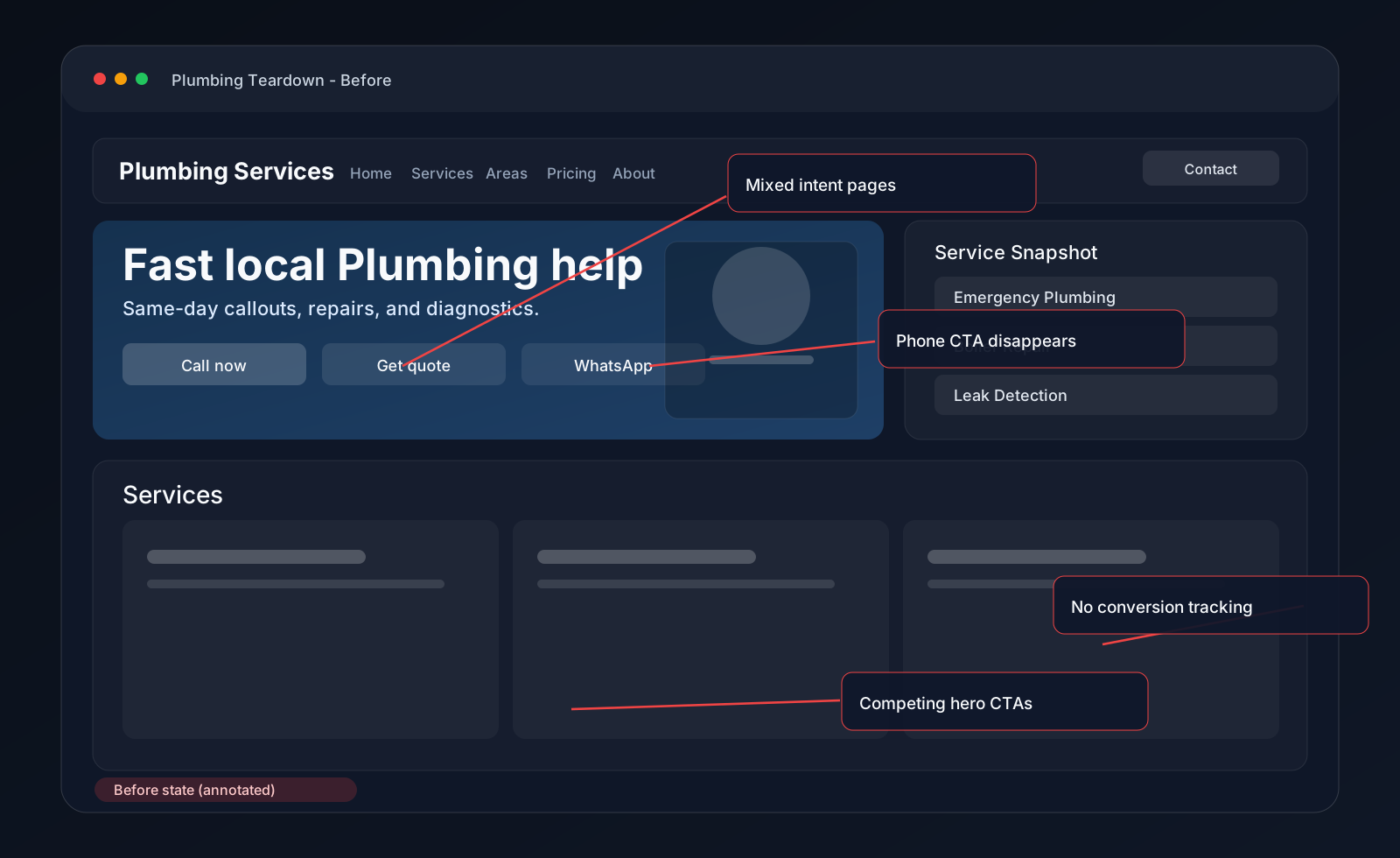
2. What's broken
Phone action disappears after first scroll
On mobile, the main number sits in the header only. Once users scroll, the call path is gone.
Hero presents multiple equal CTAs
Call, form, and secondary links compete for attention, so high-intent users hesitate.
Emergency and planned services share one page
Visitors with urgent leaks and visitors comparing boiler options land in the same generic flow.
No conversion events are captured
The owner cannot tell whether calls, forms, or mobile CTA taps are improving after changes.
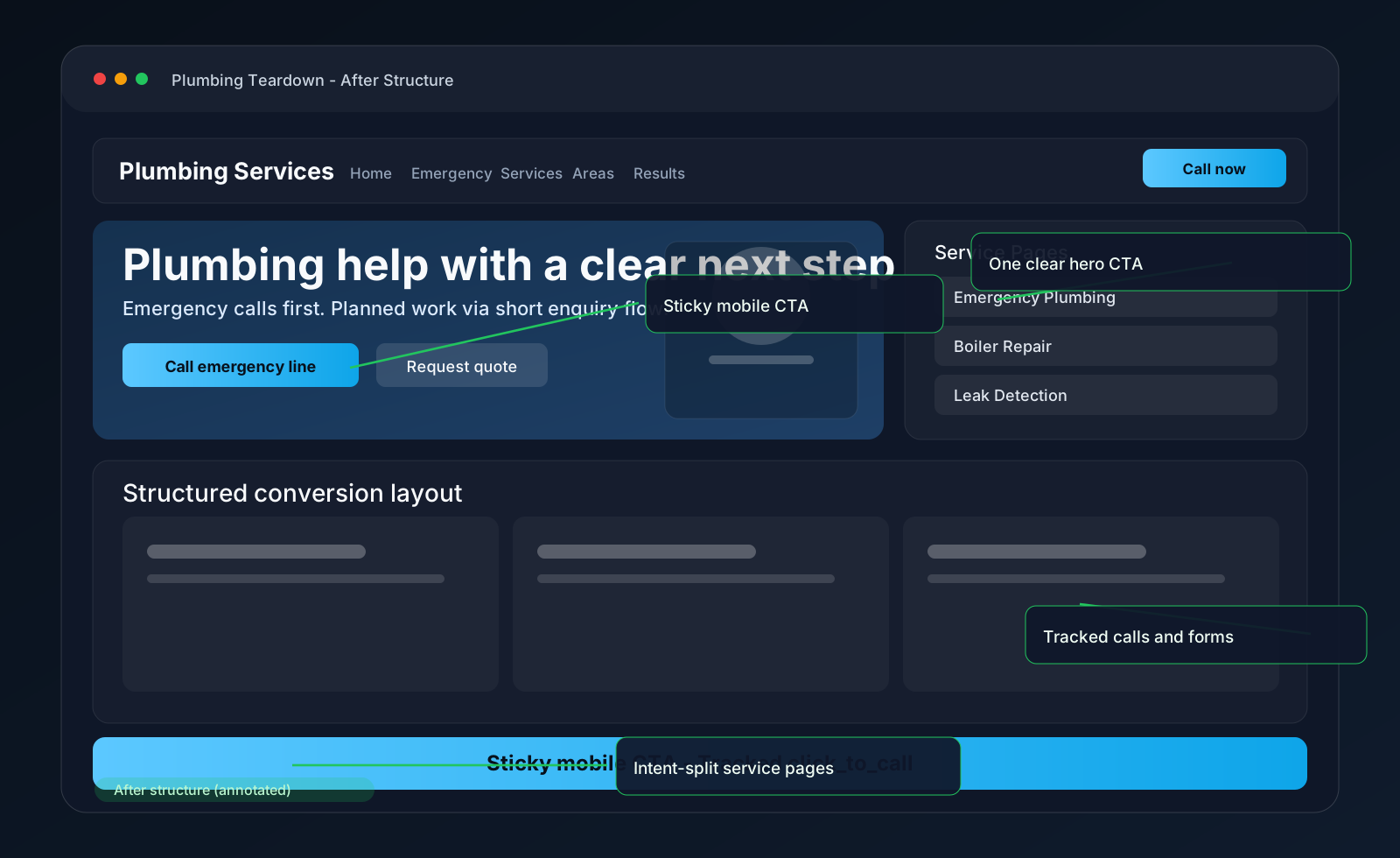
3. What I would change
Install a sticky mobile call bar
Persistent bottom CTA: "Call emergency plumber" with tap-to-call and clear service hours.
Enforce one primary CTA per page
Emergency pages prioritize calls. Planned service pages prioritize short quote requests.
Split pages by intent
Create dedicated pages for emergency plumbing, boiler repair, and leak detection to match search intent.
Move trust proof into decision zones
Place reviews, response-time promise, and certifications beside first CTA and before form fields.
4. What I would track
click_to_callUser taps sticky bar or phone link.
Shows emergency call intent from mobile traffic.
submit_quote_formUser completes planned-work quote form.
Tracks non-emergency enquiry quality by service page.
service_cta_clickUser clicks CTA on emergency vs boiler vs leak pages.
Compares CTA engagement between page intents.
contact_step_viewUser reaches contact section.
Flags where visitors drop before final action.
5. Expected impact
Goal: increase call intent clarity and enquiry completion rate.
- Higher share of mobile visitors tapping call CTA.
- Cleaner split between emergency calls and planned quote requests.
- Fewer drop-offs between first CTA and contact completion.
6. Example pages I would ship
Emergency plumber landing page
Built for immediate jobs with one dominant call action and visible response-time positioning.
- Hero with single emergency CTA
- Fast trust strip (reviews, coverage, response window)
- Common emergencies block
- Final call CTA + short fallback form
Boiler repair page
Designed for planned diagnostic jobs with quote-focused conversion path.
- Service-specific hero
- Problem/symptom checklist
- Pricing-range guidance (if available)
- Short quote request form
Leak detection page
Captures high-intent leak traffic and routes users to the right action quickly.
- Urgency-first intro
- Detection approach overview
- Local area coverage
- Primary call CTA and tracked fallback form
Electrical teardown
1. Context
Local electrical contractor serving emergency callouts and scheduled compliance jobs. Mobile users dominate emergency demand.
Objective: Separate urgent outage traffic from planned compliance traffic and reduce CTA conflict.
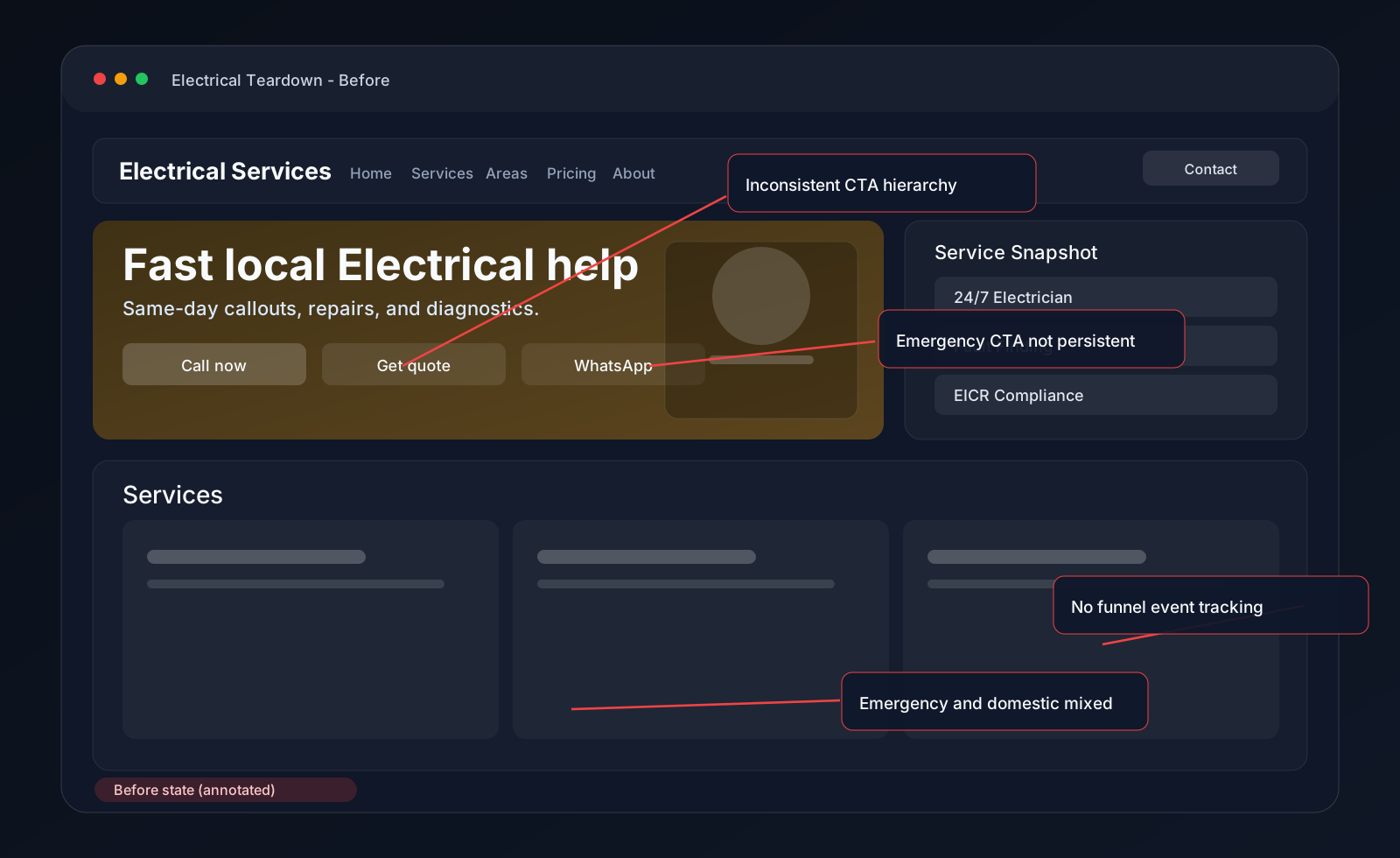
2. What's broken
Emergency call route is buried
Phone action is not persistent on mobile, so urgent users must scroll and hunt for contact options.
Domestic and emergency paths are mixed
Pages combine safety checks, rewires, and outages in one structure, creating intent mismatch.
CTA hierarchy is inconsistent
Buttons change labels and priorities between sections, reducing conversion clarity.
No event-level funnel visibility
There is no way to compare emergency CTA taps against scheduled enquiry form completions.
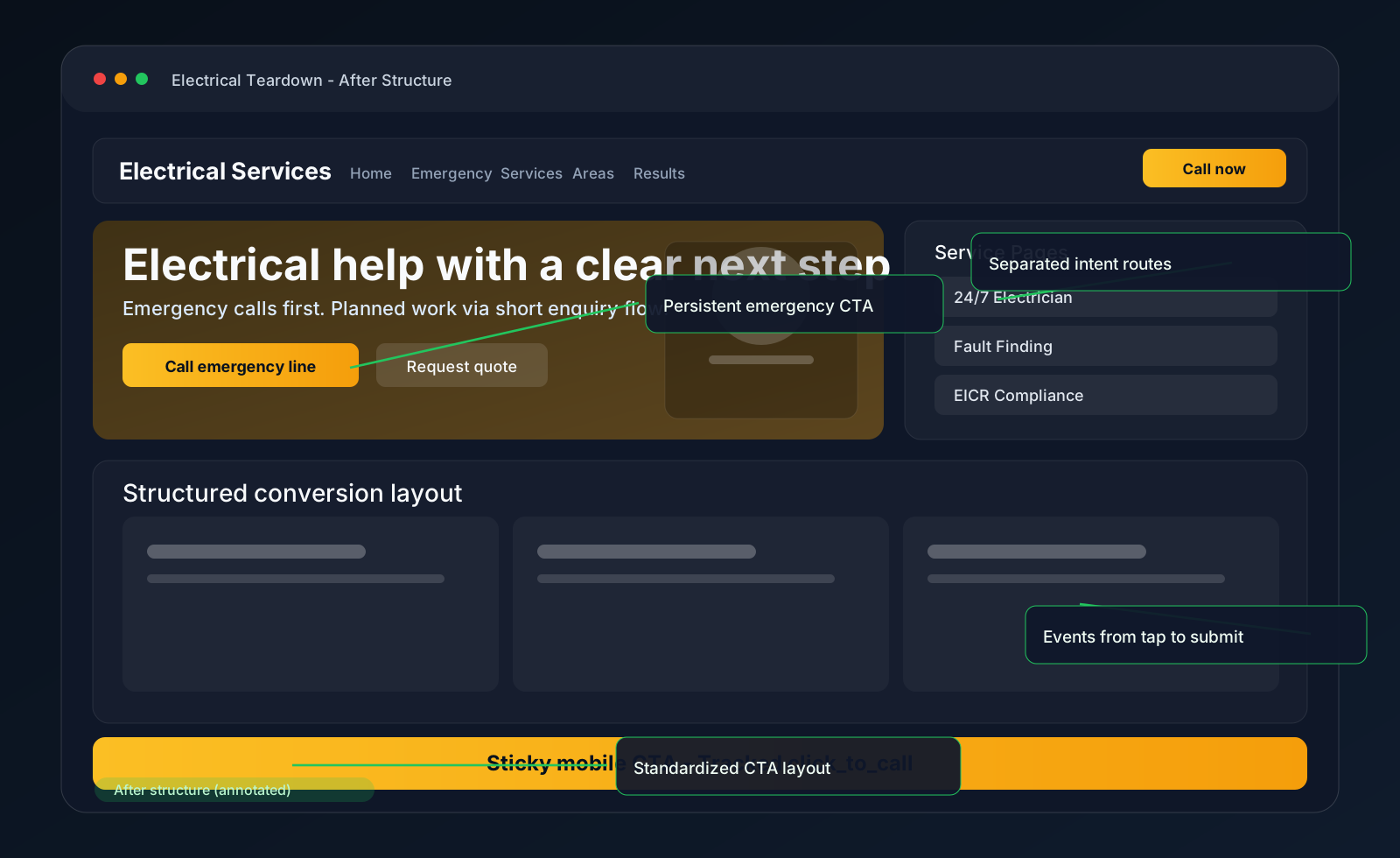
3. What I would change
Launch persistent emergency call CTA
Sticky mobile action with clear emergency label and immediate tap-to-call behavior.
Create distinct service funnels
Separate pages for emergency electrician, consumer unit/fault finding, and EICR compliance.
Standardize CTA language and placement
Use one primary action and one fallback action in consistent positions on every page.
Reposition trust proof for early decisions
Move qualifications, guarantee statements, and review excerpts above the first conversion step.
4. What I would track
click_to_callTap on emergency call CTA or phone link.
Measures immediate call intent from high-urgency traffic.
start_quote_formUser focuses first form field.
Shows form entry intent before completion.
submit_quote_formQuote form submit success.
Compares completed enquiries across service pages.
cta_variant_clickClick on primary vs fallback CTA.
Validates whether CTA hierarchy is reducing hesitation.
5. Expected impact
Goal: increase emergency call intent clarity and reduce enquiry friction for scheduled jobs.
- More first-viewport emergency CTA taps on mobile.
- Higher form starts that progress to completed submissions.
- Lower CTA conflict between emergency and planned service journeys.
6. Example pages I would ship
24/7 emergency electrician page
Urgency-first layout focused on fast call actions for outage and safety incidents.
- Single-outcome hero
- Emergency scenarios list
- Rapid-response proof strip
- Final phone-first CTA
Consumer unit and fault-finding page
Planned diagnostics funnel with one enquiry path and clear scope explanation.
- Scope and suitability block
- Visit/process summary
- Trust proof near CTA
- Short quote request step
EICR and landlord compliance page
Compliance-focused page structure for property owners and landlords needing documentation.
- Compliance context intro
- Property-type selector
- Availability and turnaround detail
- Quote/enquiry CTA with tracking
Drainage teardown
1. Context
Drainage business handling blocked drain emergencies plus planned CCTV and repair work. Traffic mixes urgent and investigative intent.
Objective: Route urgent users to immediate call actions and planned users to relevant service enquiries.
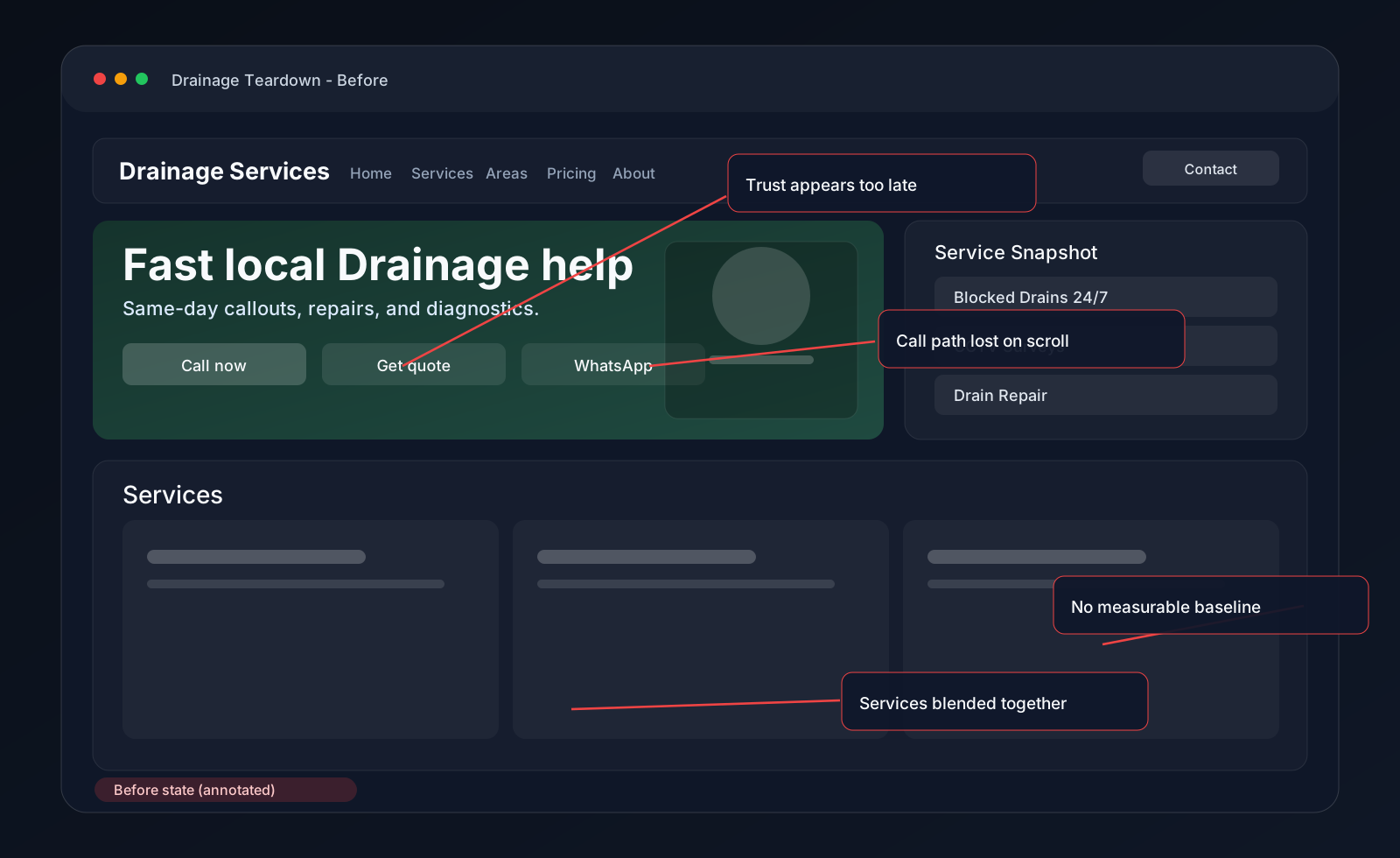
2. What's broken
Emergency journey has no persistent call option
Users with blocked-drain intent lose the call path once they scroll past the header.
Investigation and repair services are merged
CCTV surveys, unblocking, and repairs are bundled together, which weakens intent matching.
Decision content appears too late
Trust and reassurance appear after large generic blocks rather than near initial CTAs.
No measurable conversion baseline
Call taps and form submissions are not tracked by service type, so iteration is blind.
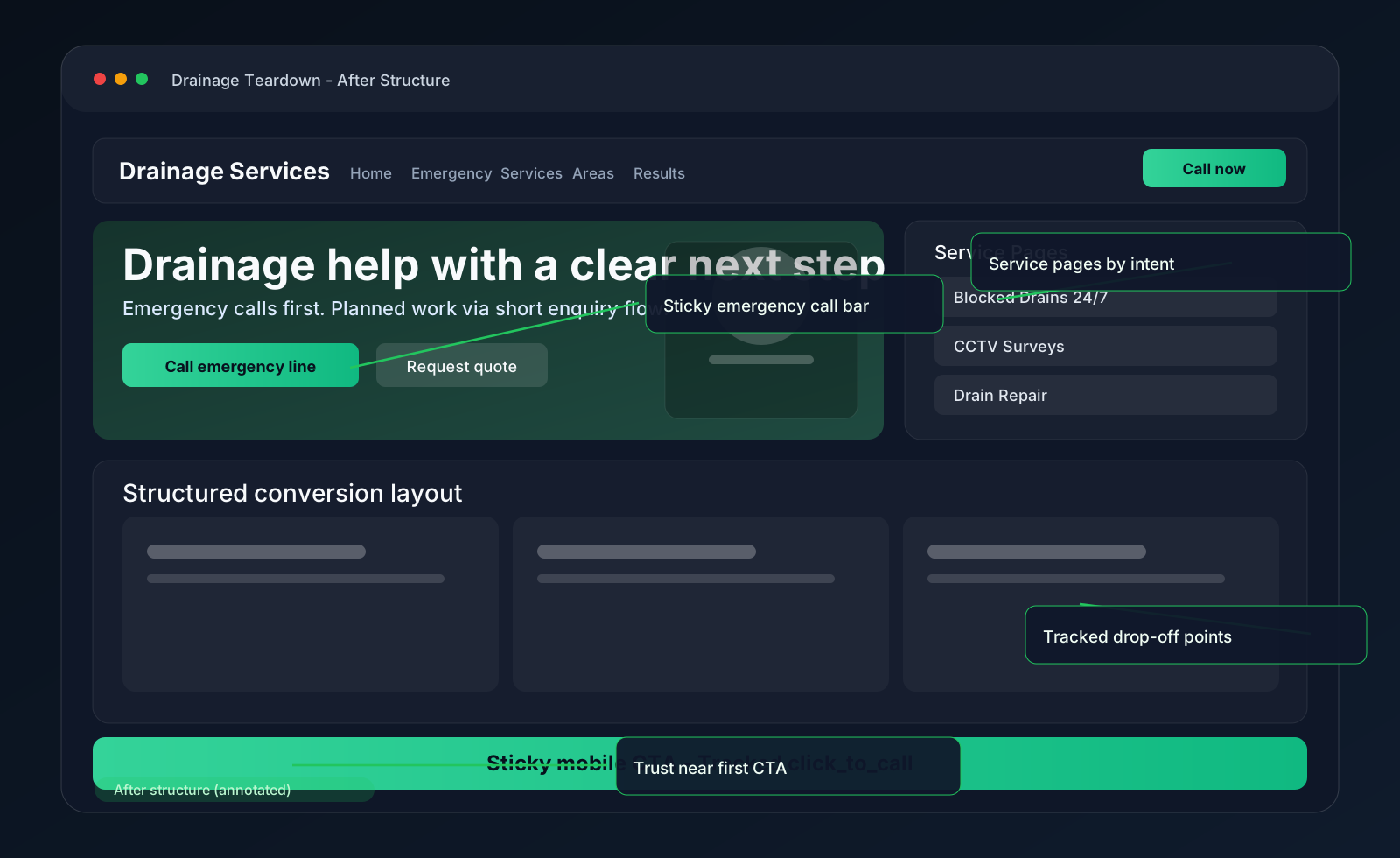
3. What I would change
Deploy sticky emergency call bar
Phone-first CTA remains visible throughout mobile scrolling for blocked-drain visitors.
Split service architecture by intent
Dedicated pages for emergency unblocking, CCTV surveys, and drain repairs/relining.
Rebuild first screen around clarity
One dominant action with concise proof and service-area cues near the top.
Add tracked fallback enquiry path
If users do not call, route them to a short tracked form with minimal friction.
4. What I would track
click_to_callUser taps emergency call CTA.
Measures immediate intent from urgent drain traffic.
submit_enquiry_formUser submits non-emergency enquiry.
Tracks planned-work lead volume by service page.
service_page_engagementUser reaches and interacts with core service sections.
Identifies weak sections that lose intent before CTA.
cta_dropoff_stepUser exits between first CTA and final action.
Shows where the journey needs refinement.
5. Expected impact
Goal: increase call-action clarity and improve enquiry completion for planned drainage work.
- More urgent users tapping the emergency CTA quickly.
- Higher planned-service enquiry submissions by page intent.
- Clearer separation between emergency and planned conversion paths.
6. Example pages I would ship
Blocked drain emergency page
Emergency-first page designed for immediate action and high mobile visibility.
- Urgency-led hero with call CTA
- Common blockage symptoms
- Response and coverage proof
- Final emergency call block
CCTV survey service page
Planned diagnostics flow with clear deliverables and one enquiry route.
- Survey purpose and outcomes
- What the customer receives
- Use-case examples
- Tracked enquiry CTA
Drain repair and relining page
Repair-intent page structure with clear scope and trust placement before conversion action.
- Repair/relining overview
- Suitability criteria
- Process and timeline snapshot
- Primary call and fallback form CTA
Book a 15-minute call.
I'll tell you if your site is losing jobs - and if I can help.
You'll speak directly with me. No account managers.